
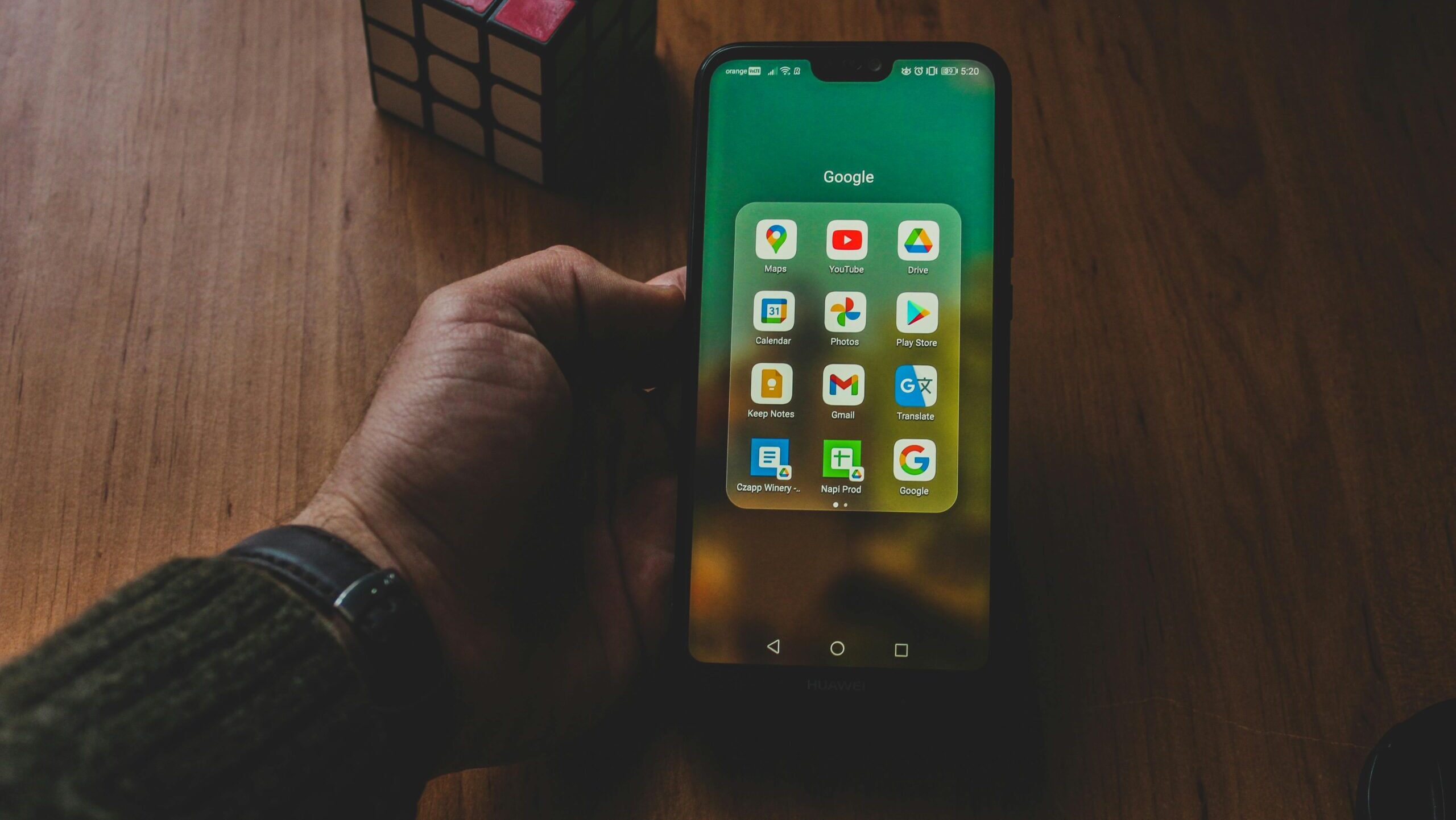
Social media has come a long way since MySpace and Black Planet, where user pages had minimal functionality beyond interacting with friends or meeting new people in a digital environment. The modern social media landscape is incredibly crowded, and platforms primarily prioritize video over text content. While some platforms like MySpace and Vine struggled to adapt to the changing times, others like Facebook and even YouTube have continued to evolve to maintain relevance even as audiences and behavior patterns change.
Based on its original purpose, YouTube might seem like an unlikely platform when discussing social media marketing strategies. Is YouTube even a social media platform? Should a brand’s social media strategy include YouTube? This OG video sharing platform has proven that it can maintain relevance even as social media usage evolves, and that it’s still a powerhouse for building careers and shaping how target audiences perceive brands.
Here’s what marketers need to know about YouTube.
A Quick Synopsis of YouTube History
Launched in 2005, YouTube burst onto the scene as an online video sharing platform where everyday consumers could upload original content, create channels, and comment on video clips. The platform is so popular that TubeFilter reported in 2019 that more than 500 hours of content were uploaded every minute. In 2023, The Atlantic reported that there were around 14 billion videos actively listed on the platform.
Savvy professional strategies like getting bought by Google (Alphabet Inc.) in 2006 helped boost adoption since logging into the video site was soon linked to having an active Gmail account. YouTube has since expanded its offerings to support long-form videos, revenue-generating add-ons like live subscription-based premium content and TV packages, launched a creators studio to make content creation easier, and even created opportunities for creators to monetize the views their original content receives.
Is YouTube a Social Media Platform?
Even though YouTube operates somewhat differently than other video-first platforms like TikTok or even Snapchat, it’s still a social media platform. Its current leader, Neal Mohan, would like the world to believe otherwise, as he told Axios last year. However, YouTube carries all the hallmarks of a social media site.
Platforms must meet specific criteria to qualify as social media platforms: user-generated content, community building, networking, virality, and interaction features. Even though YouTube operates very differently than its short-form video-first competitors, with options like live TV and premium paid content, at its core, the video sharing service supports all of the required objectives to qualify as a social media platform.
User-Generated Content
Undeniably, YouTube’s primary purpose is to allow users of all creative backgrounds to develop, share, and promote original video content. It’s nice to have an audiovisual editing background or a dedicated filming set to develop more polished clips, but if the content is viral enough, it won’t matter.
A quick browse through popular content on YouTube will show that just as many “homemade” videos shot with a basic smartphone setup are just as popular as those produced in studios by more established media outlets with serious post-production work. As a result, many people have turned their video clips into monetizable content that turns being a creator into a viable career path.
Interaction
Since its inception, YouTube has allowed consumers to like and comment on videos posted on the site. This is a baseline requirement for social media platforms. Consumers don’t need an account to view content simply, but they must create an account if they want to interact with videos, subscribe, or save videos to a playlist.
This is in line with most other social media platforms, which require consumers to create accounts to engage with content. Similarly, if an individual wants to post original videos to YouTube, they’ll need an account to do that. Interestingly enough, only features like live TV and premium video content are behind a paywall. Overwhelmingly, most of YouTube can be enjoyed without a paid subscription.
Building Community
Similar to the interaction function, building community is another key hallmark of a social media platform. It allows like-minded individuals to find each other, build traction, and find relevant content that interests them. For YouTube, this isn’t just limited to commenting, liking, or subscribing to a creator’s channel. It can also include following specific hashtags or keywords that match their interests.
This is also how fledgling creators can eventually grow their audience to become influencers. Creators who want access to monetize their content must consistently reach a minimum number of views to unlock these opportunities. Similarly, YouTube creators who violate community guidelines can have their channels demonetized, meaning they’re no longer able to earn money directly through YouTube.
Virality
Most notably, YouTube has helped many creators, music artists, and even professionals go viral. Justin Bieber is one of the most well-known examples of a budding indie artist who got his start on the video-sharing platform. At just 12 years old, in 2007, he began sharing clips of himself singing covers at competitions, ultimately leading talent manager Scooter Braun to take him on as a client a year later.
Beauty creators especially leveraged the power of YouTube to post viral videos that either shared application techniques or focused on addressing the needs of often overlooked BIPOC communities. Some of the most notable early YouTube beauty creators include Michelle Phan and Jackie Aina. Both ladies have gone on to create their own beauty brands as well as released multiple collabs with long-time beauty firms like Morphe and Two Faced.
But unknowns aren’t the only people who’ve benefited from YouTube’s unpredictable virality. Even international artists like Psy of K-pop can credit the platform for their international success. In 2012, the artist’s song “Gangnam Style” went viral thanks to the video platform. At a time when K-Pop labels were pouring millions into groups like Big Bang or Girls’ Generation to expand into the US with mixed results, Psy’s satirical song outpaced them with a minimal budget geared towards international audiences.
In many ways, K-Pop’s current crop of international fans has Psy (and by extension, YouTube) to thank for breaking down barriers that often prevented K-Pop artists from successfully capturing Western audiences.
Networking
Finally, a good social media platform has to support networking. Whether for professional purposes or to further build community, the platform’s users need to have a way to engage with each other or the creators they follow. For YouTube, this isn’t just limited to commenting, liking, and subscribing to prerecorded videos.
Thanks to YouTube’s live function, creators can interact directly with audiences in real time, which builds a sense of community. This can sometimes reinforce parasocial relationships that are necessary to boost a creator’s clout or virality.
What Marketers Need to Know About YouTube
After reading about YouTube’s continued influence and dominance in the video content space over the past 20 years, it’s only natural that marketers would want to leverage that platform.
Like most social media platforms, consistency is key. The most successful YouTubers post content regularly. For some, this means every day, while others may post weekly, bi-monthly, or even once a month. Additionally, marketers need to decide whether short or long-form content is best suited for their goals. As a quick perusal of YouTube’s popular content will show, there is no one-size-fits-all approach. Both formats perform well.
As with any social media strategy, understanding alignment and relevance will always be important before deploying a marketing campaign. Perform necessary research to ensure that the desired target audience spends most of their time on YouTube before devoting significant time and resources to building a channel and following there.
That being said, given that YouTube is, in fact, a social network, it should have a place in every brand’s social media marketing strategy.